Start with the filing zone, not the biggest number
A nail dust collector works at the point where filing dust is created. That makes position the first buying criterion. If the working nail cannot stay above the intake while you file, a larger motor-speed number will not repair the basic layout problem. Measure the usable area of your table, note where your lamp and tools sit, and leave room for both forearms before comparing product pages.
Do a dry run with a sheet of paper cut to the footprint of the unit you are considering. Place your lamp, hand rest and e-file as you would during a real manicure. The active nail should land over the intake without lifting the shoulder, bending the wrist sharply or pushing tools across the air path. This quick layout check often tells you more than a page of unqualified “powerful suction” language.
For client work, map two hand paths: the client’s hand approaching the intake and your own working hand approaching the nail. For self-use, check whether both hands can reach the working zone naturally. A compact machine is not automatically a good fit if its shape moves the filing point away from the center of the intake.

List the work you actually do
Natural-nail shaping, gel removal and acrylic removal do not create the same amount or texture of debris. You do not need to predict an exact capture rate, but you should be honest about your routine: how often you file, how long a typical session lasts, whether you work on yourself or clients, and how much visible dust usually reaches the table.
An occasional home manicure places different demands on filter capacity and spare-filter planning than several client appointments in one day. Frequent users should value quick filter access and a compatible spare because a loaded filter can interrupt the workflow. Occasional users still need to inspect the filter; a calendar alone cannot show how much material has accumulated.
Write down the tasks that are out of scope too. A tabletop nail unit is not a room vacuum, an extraction system for unrelated chemicals, or a general-purpose appliance for liquids. A clear “not for this job” list keeps a convenient device from being used beyond its instructions.
- Main filing material: natural nail, gel, acrylic, or a mix
- Home self-use, shared household, or client-facing table
- Typical number and length of filing sessions
- Available table depth, lamp position and hand path
- Access to compatible replacement filters in your market
Check table fit and body position together
A unit can fit the tabletop and still create a poor posture. Check the height of the intake relative to your elbow, the distance from the chair, and the place where the working nail naturally rests. The goal is not a perfect ergonomic formula; it is to avoid a setup that makes you shrug, reach, twist the forearm or hold the wrist at a sharp angle throughout filing.
NIOSH notes that nail technicians can face musculoskeletal strain from awkward postures and repetitive motions. That is a reason to look at the whole station, including the chair, table, lamp, hand support and collector, rather than buying the collector as an isolated object. If adding the unit raises the hand too far, adjust the chair or workstation before you accept the layout.
Leave the intake and any outlet area unobstructed. Do not use folded towels, product boxes or loose wipes to level the unit if they can block airflow. Keep food, drinks, children, pets and soft furnishings away from active filing, then wipe the work surface after the session.
Look for control of cross-drafts, not an airtight promise
Air from a desk fan, air conditioner, open window or people moving nearby can push light filing dust sideways before it reaches the intake. Test the room with the fan and air conditioning in the positions you normally use. If you can feel air moving across the filing point, the layout needs attention even when the collector itself is running.
A removable shield can help shelter the immediate working zone from that sideways flow. It does not seal the space, and it does not turn a tabletop unit into industrial local exhaust ventilation. Its value is practical: it gives the hands and filing point a more defined zone over the intake when the room creates cross-drafts.
Open designs can be easier for side access, nail-art tools or a technique that needs more room. The useful question is not “shield or no shield?” in the abstract. Ask whether the shield can be removed, whether the openings match self-use or client work, and whether the working nail still stays over the intake in either configuration.

For a closer look at that decision, read when a removable shield helps and when an open table is preferable
Make filter care part of the buying decision
Before buying, find the filter, learn how it comes out, and confirm that matching replacements are sold for the model. A filter hidden behind a complicated disassembly step is easy to neglect. A filter that looks similar to another brand’s is not automatically compatible; use the model-specific size and fit stated by the seller.
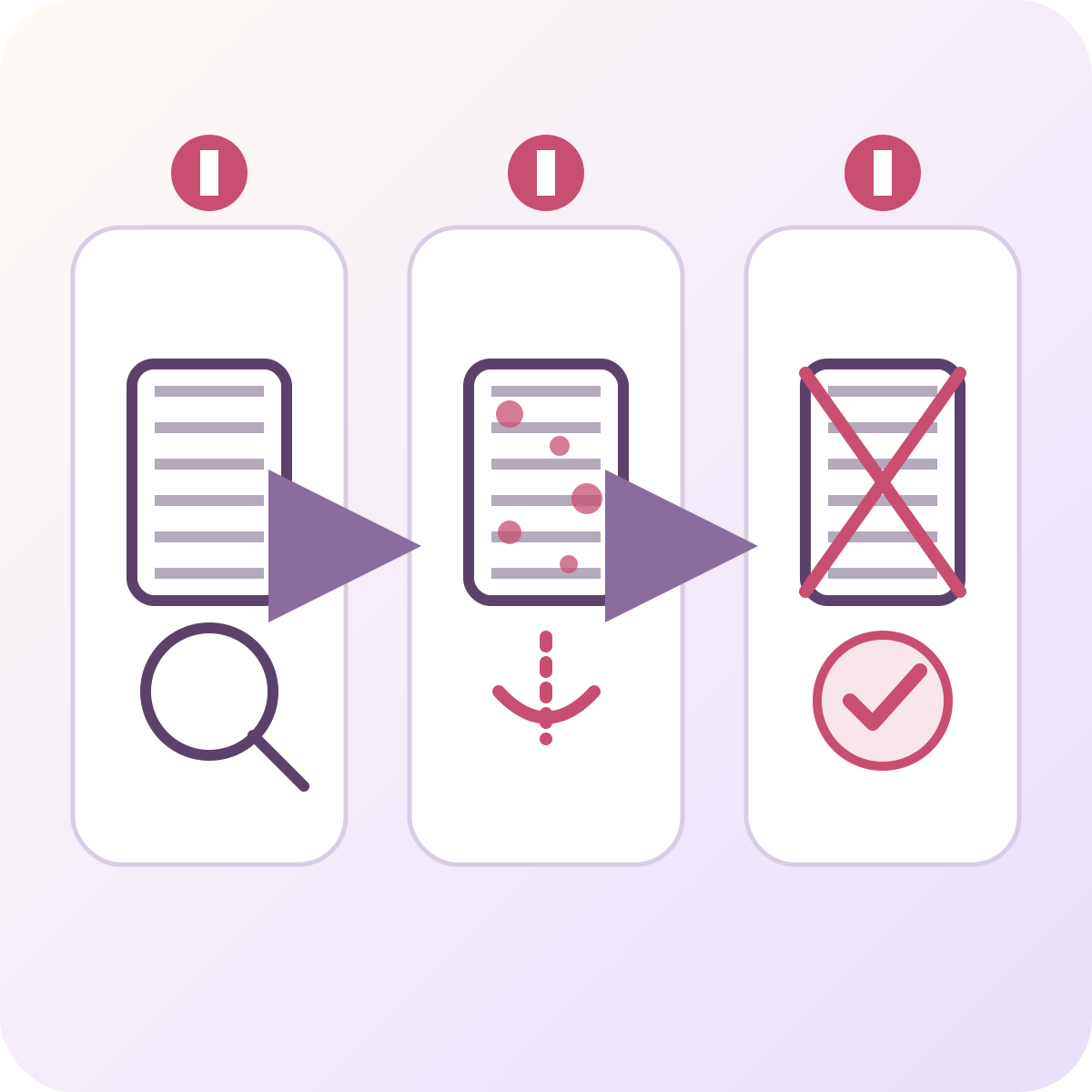
For the POWCUBE collector, the verified routine is to inspect the filter after every manicure and clean it before buildup restricts normal airflow. Switch the unit off before removal, lift the filter carefully and tap loose filing dust into a bin. Current care information does not advertise the filter as washable or HEPA-rated, so do not rinse or soak it unless the instructions supplied with the unit explicitly allow that.
Replace the filter when it is damaged, warped, no longer sits flat, or normal airflow does not return after careful dry cleaning. That evidence is more useful than an invented fixed replacement interval. Someone doing frequent gel or acrylic removal may reach those signs sooner than an occasional natural-nail user.
- Inspect after every manicure session
- Clean before buildup restricts airflow
- Use dry care unless the model instructions say otherwise
- Replace a damaged, warped or poorly seated filter
- Keep a compatible spare when an interrupted session would matter
Review the current cleaning and replacement boundaries in POWCUBE Support
If you need a compatible spare, check the POWCUBE two-pack replacement filter
Read noise and control specifications carefully
Sound matters when you share a room or talk with a client, but a published decibel range is not the same as a promise of silence. The table surface, room, chosen setting and filter condition can change what you hear. Look for a stated range, then treat it as one planning input rather than a winner-takes-all score.
A rotary or multi-level control is useful because filing tasks vary. Start at a suitable lower operating level, confirm the working nail is over the intake, and increase only as the task requires. A control cannot compensate for a blocked filter, blocked outlet or cross-draft, so solve those basics first.
Motor speed in RPM is also not a dust-capture percentage. Without a comparable test method, airflow, pressure, nozzle or intake geometry and filter condition, two numbers on separate product pages do not establish which unit captures more dust. Prefer clearly stated, model-specific facts over superlatives or “tested best” claims that do not explain the test.
Know what a tabletop collector does not replace
Good general ventilation remains important. CDC/NIOSH says nail salons may use local exhaust ventilation controls at workstations in addition to general room ventilation. HSE guidance for employers also stresses that local exhaust ventilation has to be the right type, properly installed, used and maintained. A consumer tabletop collector should not be described as equivalent to an engineered workplace system without evidence that it meets that design and compliance role.
Likewise, a collector is not medical protective equipment and does not justify a health guarantee. Use any personal protective equipment required by the product instructions, workplace rules or applicable guidance. Keep chemical containers closed and separate chemical-vapour controls from the question of visible filing dust.
If your work setting has occupational requirements, unusually heavy dust, persistent airborne material away from the station, or a need to exhaust air outdoors, ask a qualified workplace professional about the correct control system. The honest boundary is part of a good purchase decision, not a reason to inflate the tabletop product’s role.
Use the collector in a repeatable sequence
Each session should begin with a quick check rather than an assumption that yesterday’s setup is still correct. Confirm the filter sits flat, the intake and outlet are clear, the unit is stable, and the filing point is not being crossed by a fan or air-conditioning stream. Install or remove the shield according to the actual hand path and room airflow.
During filing, keep the active nail above the intake and use a setting appropriate for the task. If dust is visibly travelling sideways, pause and correct the position, cross-draft or filter condition. Do not promise yourself that one pass will produce a completely dust-free surface; inspect the table and surrounding area after the work is finished.
After filing, switch the unit off before handling the filter. Inspect it, perform dry care when needed, wipe the workstation and store spare filters clean and flat. For several appointments in a day, recheck between sessions instead of waiting for a fixed end-of-day schedule.
- Before: position, filter, intake, outlet and cross-draft check
- During: active nail over intake; adjust the setting only as needed
- If dust travels sideways: stop and correct the setup
- After: switch off, inspect the filter and clean the table
- Between repeated sessions: recheck rather than relying on a calendar
How POWCUBE fits this checklist
The POWCUBE Nail Dust Collector is offered in White and Pink and publishes a 5000 RPM motor specification and a 30 to 35 dB sound specification. Those figures describe stated product characteristics; they are not a published capture-rate test. The rotary control lets the user adjust the operating level for the task.
Its practical difference is the removable clear airflow shield. For self-use, both hands work through the larger front opening. For a client manicure, the client’s hand enters through the smaller rear opening while the technician works from the front. When side access matters more and cross-drafts are limited, the shield can be removed for an open tabletop.
That combination is worth considering if your real problem is a draft-prone, shared or client-facing work zone. If your main constraint is a very shallow table, a different hand path, engineered workplace extraction or a requirement not documented for this model, do not force the fit. Measure and verify first.
See the current colors, specifications, hand-access views and availability on the POWCUBE nail dust collector product page
A final checklist for buyers in the United States
A useful product page should let you answer the following questions without guessing. If a seller cannot confirm a filter claim, sound figure, replacement part or care method, treat it as unknown rather than filling the gap with a marketplace label or an unrelated review.
Once the practical fit is clear, review the current price, stock, delivery, return and warranty information for your market. Those details can change, so the checkout and policy pages are the right place to confirm them before ordering, not an old blog sentence.
- Will the active filing point sit directly over the intake?
- Can self-use or client hands approach without an awkward wrist angle?
- Will room cross-drafts push dust away from the intake?
- Is a removable shield useful for the actual hand path?
- Can you inspect the filter easily and buy a confirmed replacement?
- Are noise, controls and motor specifications clearly stated?
- Are washable, HEPA or capture-rate claims supported for this exact model?
- Do the product’s limits fit your home or workplace requirements?